


 +370 5 210 70 50



Traffic safety education
On the road, we are responsible not only for ourselves, but also for our passengers and other road users. Violations of traffic rules, reckless, rude, and inconsiderate driving are problems that many drivers encounter, so let’s be attentive and focused, behave politely and respectfully, because each of us is responsible for a safe Vilnius!
Automated traffic control is not enough to ensure smooth and safe traffic – every road user has an impact on traffic. For example:
First situation
A driver stops at a stop line, waiting for the green light, and decides to check his phone for messages. The green light comes on, but the driver doesn’t see it and only starts driving when he hears an audible signal from the car behind him. The duration of the green light is designed to allow all cars detected by traffic sensors to pass without obstruction, but due to the delay caused by the first driver, several cars are unable to pass. While waiting for the next green signal, will there again be delays in starting to drive? This lengthens the line of cars and creates traffic jams.
Second situation
A pedestrian does not press the pedestrian button when crossing a traffic light-controlled crossing. They wait and wait, and until someone presses the pedestrian button, the green light will not turn on. By deciding to cross the street when the traffic light is red, pedestrians endanger themselves and others: traffic accidents may occur in which pedestrians and people in cars are injured or even killed, traffic is blocked, and traffic jams form.
Third situation
The driver of a car wants to turn left at a traffic light-controlled intersection where the left turn is controlled by a separate section or traffic light (with arrows pointing left) and stops the car 3 m before the STOP line – the traffic sensor located at the STOP line does not detect the car and the green signal does not turn on. The green signal will not turn on until the first car reaches the STOP line, as required by the Road Traffic Regulations. In this case, if the green traffic light does not turn on, the queue of vehicles wishing to turn left increases and traffic jams form.
A 2018 study found that when all road users pay close attention to traffic lights and do not engage in extraneous activities, approximately 35% more cars pass through intersections than is usual in Vilnius. Since the average car occupancy in Vilnius is 1.32 people, and most cars only carry the driver, the street network is not used efficiently, becomes overloaded during peak hours, and traffic jams occur. Educating road users is very important so that we understand the impact we have on traffic when traveling every day and, by acting responsibly and choosing efficient modes of transport, we can reach our destinations faster and safer.
Educational videos for drivers
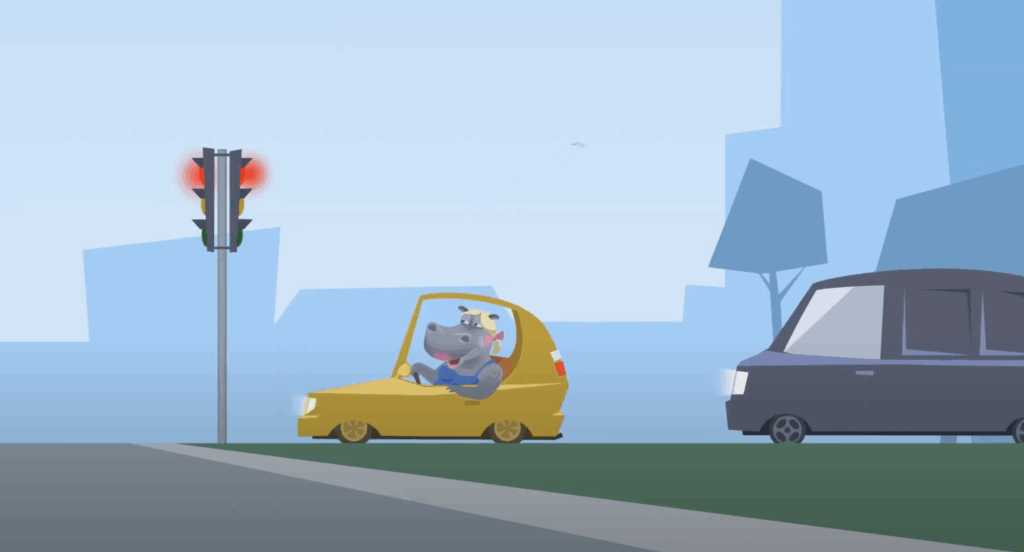
The first series introduces us to a charming driver standing at an intersection and engaging in interesting activities behind the wheel. It looks quite funny, but the result is not so pleasant in reality. Every day, we observe traffic situations in the city and conduct traffic simulations and experiments. Distractions such as talking on a mobile phone, browsing the internet, applying mascara, or eating snacks in the car distract drivers, reduce the safety of other road users, and also reduce the throughput of intersections and increase traffic jams.
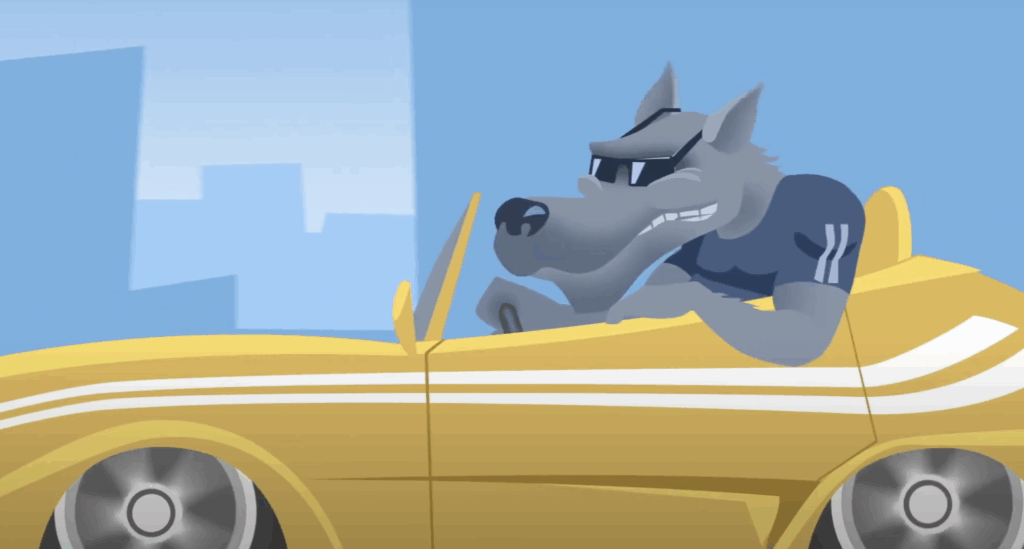
The second series – this time more about A lanes! A lanes are intended for public transport, and their network in Vilnius currently covers 36 kilometers. However, the reality is that they are often used by car drivers. When driving in the A lane, drivers sometimes try to shorten their travel time by violating traffic rules, cutting in front of others and causing dangerous situations, which not only slows down public transport but also disrupts all traffic. This creates additional traffic jams, which means that all road users suffer.