

 +370 5 210 70 50



For those traveling on foot
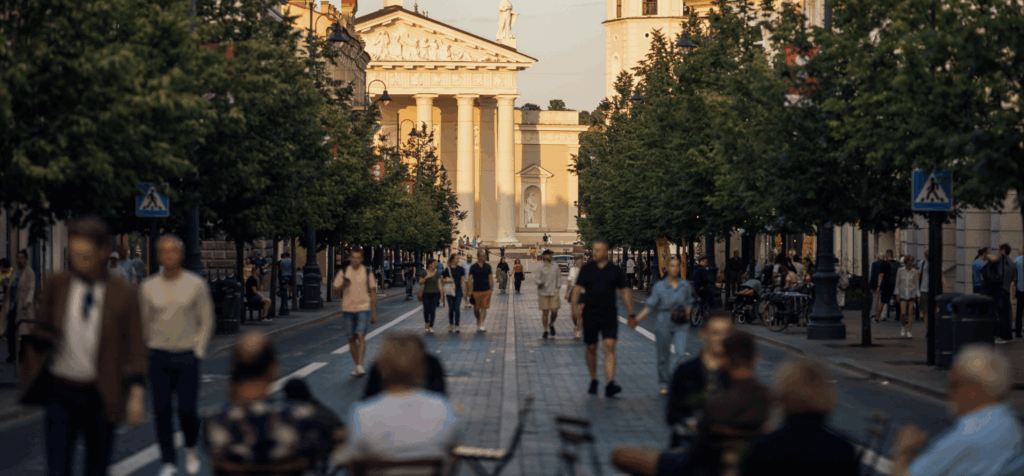
Many places in the city can be reached conveniently and safely on foot—often even faster than by motor vehicle, especially during peak hours. Walking not only improves health and is environmentally friendly, but also lets you experience the city up close and discover new cosy places.
Did you know that Vilnius has as many as 1,871 km of pedestrian paths?
There are many different ways to discover the capital: by looking up during your daily commute to work or university, by wandering through cosy, undiscovered corners of the city in your free time, or by running through green parks and quieter streets. We invite you to explore and experience Vilnius in a new way every time!
Vilnius on foot
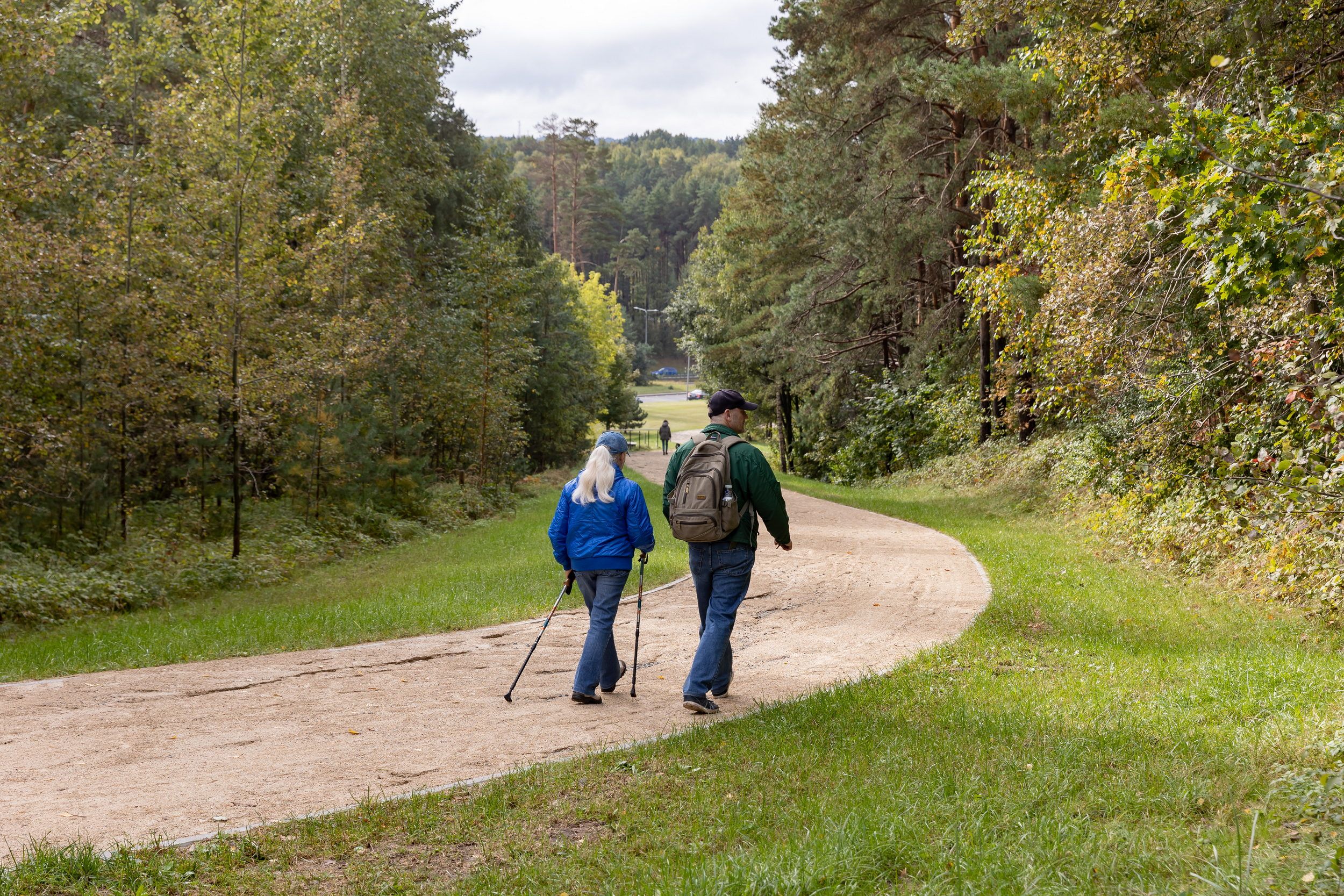
24 leisure routes and 16 everyday walking routes inviting you to explore the city’s natural areas and choose walking instead of driving!
Walkable Vilnius
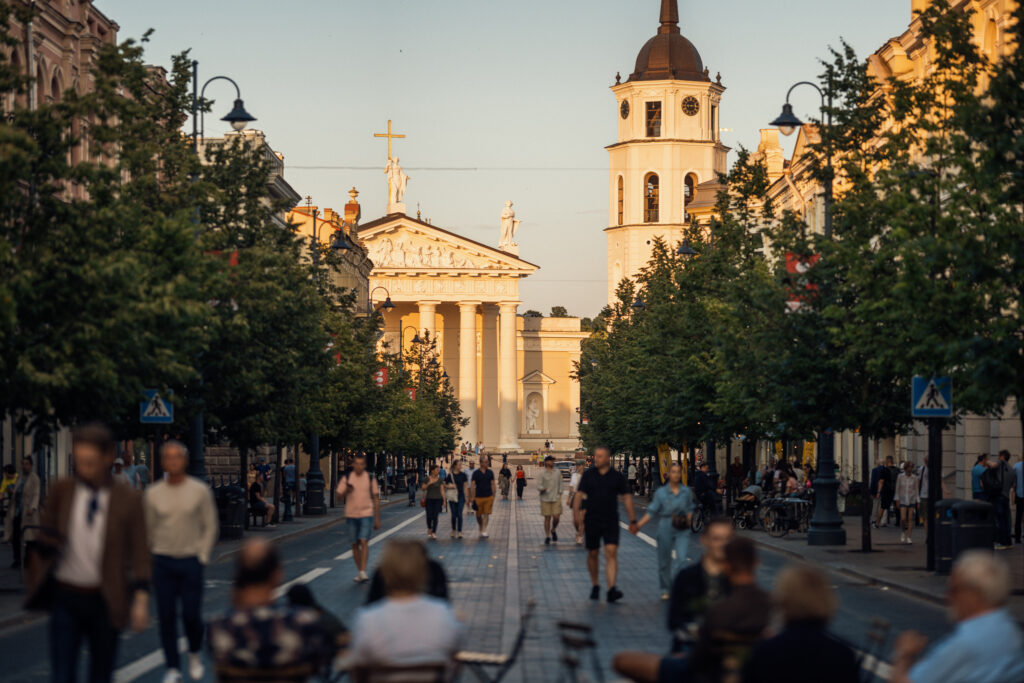
A meaningful leisure experience—no navigation needed! Explore Vilnius on foot and discover more than 83 places worth visiting.
Neakivaizdinis Vilnius
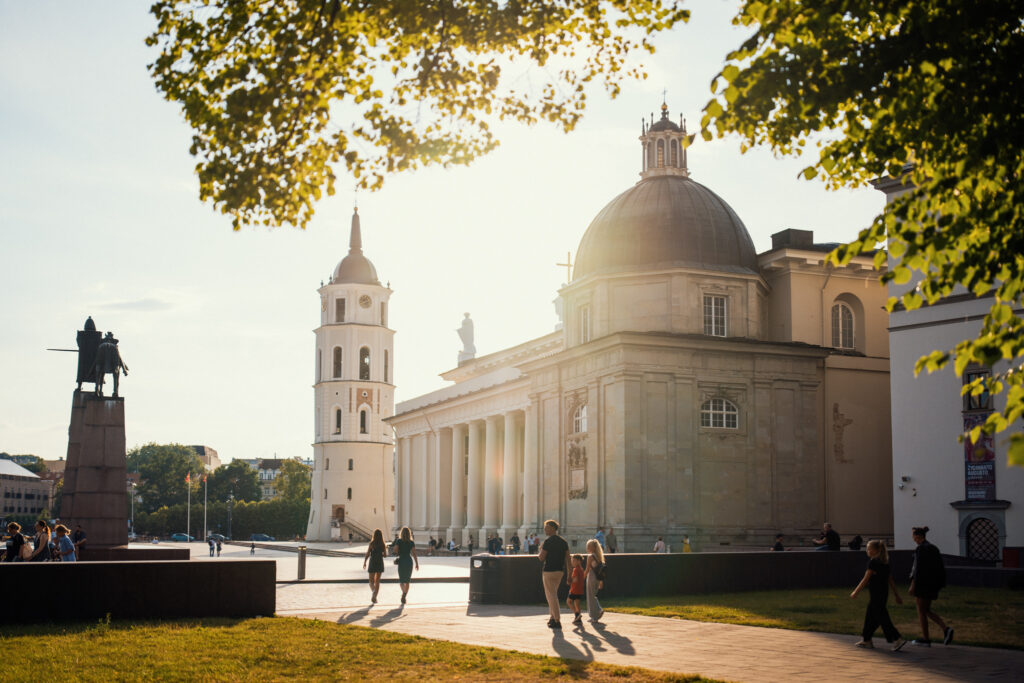
Vilnius is both familiar and full of undiscovered places. Unseen Vilnius is an initiative that encourages residents and visitors to explore an alternative side of the city.
Go Vilnius
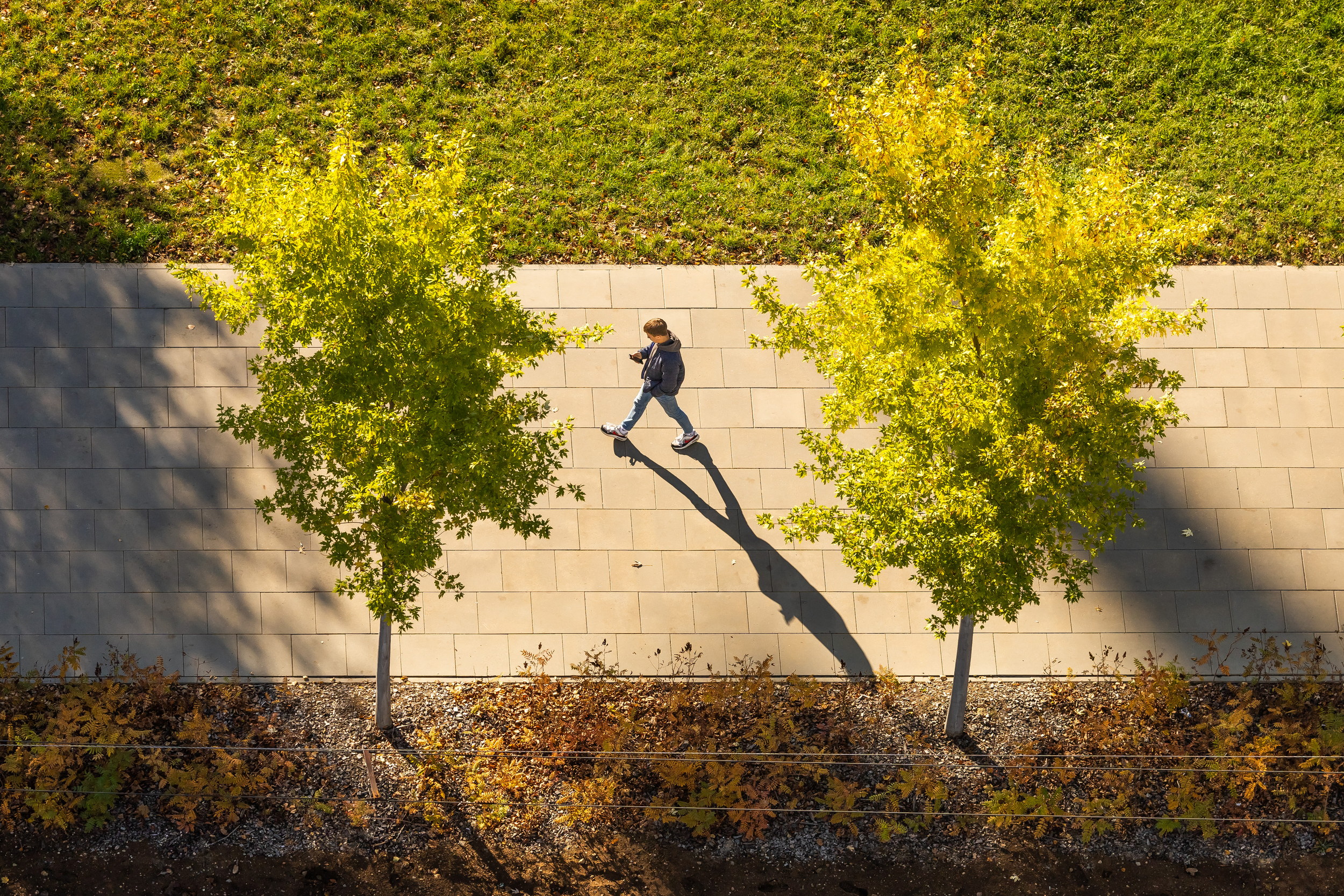
Even if you live in Vilnius, you can always discover the city as a tourist. Vilnius offers endless opportunities to see your beloved city through a visitor’s eyes.
Walking is one of the simplest, most accessible, and at the same time most effective forms of daily physical activity, providing significant benefits both to personal health and to sustainable urban development. Unlike many other modes of mobility, walking does not require special equipment, financial resources, or specific skills, making it accessible to almost all groups in society—children, seniors, and people with disabilities or limited mobility.
Benefits of walking

Heart
30 minutes of walking a day reduces the risk of heart disease by up to 30%.

Mental health
Reduces stress, anxiety and symptoms of depression, and improves mood.

Weight
At a moderate pace, about 150 kcal are burned in 30 minutes.

Body
Strengthens bones, joints and muscles, and reduces the risk of osteoporosis.

Economy
A free and accessible form of physical activity for everyone.
The World Health Organization recommends that adults engage in at least 150–300 minutes of moderate-intensity physical activity per week, and regular walking is one of the simplest ways to incorporate this recommendation into everyday life.
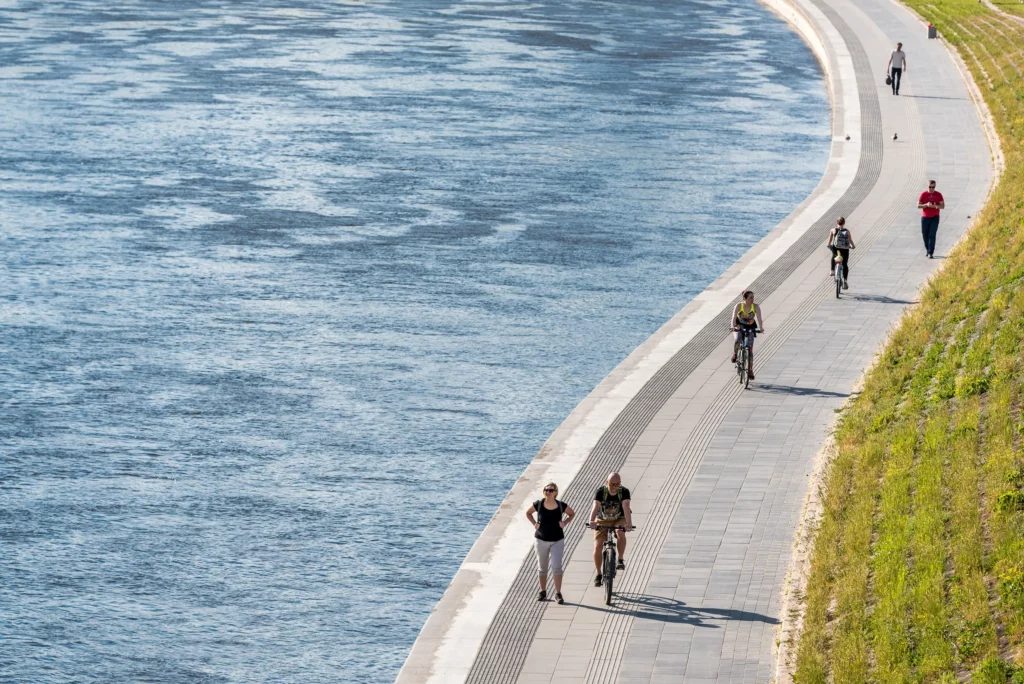
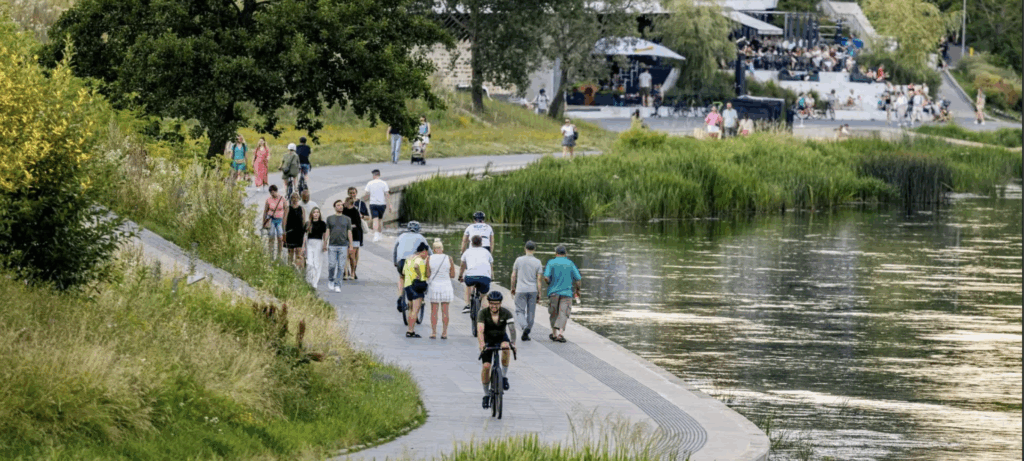
Studies show that even short but regular walks—such as 10–15-minute walking trips several times a day—significantly reduce the risk of cardiovascular disease, type 2 diabetes, obesity, and certain types of cancer. In addition, walking has a positive impact on mental health: it reduces stress, anxiety and symptoms of depression, and improves overall wellbeing.
Unlike many other modes of mobility, walking does not require special equipment, financial resources, or specific skills, making it accessible to almost all groups in society—children, seniors, and people with disabilities or limited mobility.
Pedestrians and the city strategy
Pedestrians are the foundation of Vilnius’ mobility pyramid, so improvements to the smart traffic management system are designed not only to increase street capacity, but also to ensure smoother pedestrian movement.

Every fourth trip in Vilnius is made on foot
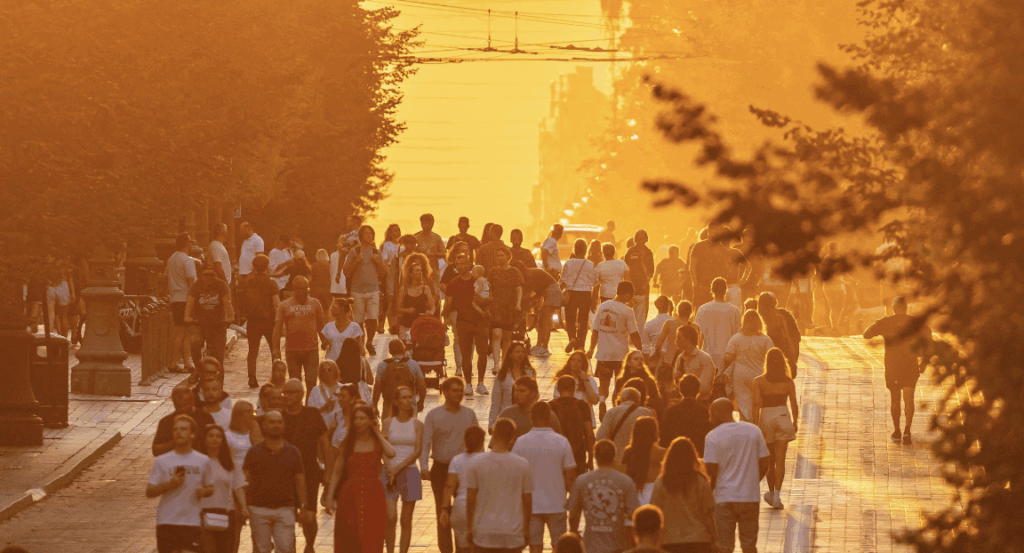
Every resident and visitor of Vilnius is first and foremost a pedestrian, which is why high-quality pedestrian infrastructure is one of the key priorities of a sustainable city—especially in ensuring that everyone can move around the city safely and comfortably. Today, every fourth trip in the capital is made on foot, and the City of Vilnius aims for at least 29% of all trips in the city to be made this way by 2030.
Sustainable Urban Mobility Plan
The aim is for pedestrian infrastructure to comply with universal design principles. Infrastructure designed according to these principles is convenient for people with disabilities and those with special needs.
Properly planned and installed infrastructure benefits everyone: people with reduced mobility and special needs—children, parents with strollers, residents recovering from injuries or older adults; people using micromobility devices (rollerblades, scooters, skateboards); pregnant women or women wearing high heels; as well as people carrying heavy bags or simply walking while talking on a mobile phone. Measures to achieve this are set out in the City of Vilnius Sustainable Urban Mobility Plan.

Pedestrian priority
As part of the implementation of the City’s Sustainable Urban Mobility Plan, pedestrian priority measures were introduced in the central area of the city. Traffic light settings were adjusted at more than 130 intersections, reducing the waiting time for pedestrians at red lights.
At many signal-controlled pedestrian crossings, waiting time was reduced by half—pedestrians now receive a green signal twice as fast. The goal of these changes is to encourage residents to walk more and to ensure smoother pedestrian movement.
Pedestrian priority was also implemented at intersections in parts of Antakalnis, Naujininkai, Kirtimai, Lazdynai, Karoliniškės, Pilaitė, Pavilnys, Justiniškės, Viršuliškės, Žvėrynas, Pašilaičiai, Fabijoniškės, Baltupiai, Žirmūnai, Šnipiškės, Santariškės, Jeruzalė, Saulėtekis, and Naujoji Vilnia, where it was possible to improve conditions for pedestrians without reducing overall traffic capacity.
Sidewalk maintenance
Have you noticed a sidewalk in poor condition?
Pedestrian path quality standard
Learn more about pedestrian path quality standards
Cycling and pedestrian infrastructure
Explore pedestrian and cycling infrastructure in Vilnius
International project STEP UP
“STEP UP” (Strengthening the Effectiveness of Policies for European Pedestrians) is a project that contributes to a greener and more environmentally friendly Europe (“Greener Europe”), with a specific objective of promoting sustainable urban mobility towards a zero carbon emissions economy. Vilnius will participate in the international project until 30 June 2028.
The project aims to help regions and cities with walking policies fully unlock the potential of walking. Good practices developed and shared by project partners will support city administrations and other relevant institutions in creating guidelines and action plans for walking-friendly city or regional policies. The project is implemented under the second call of the Interreg Europe programme.